
The patient handbook · People and responsibility
How to Choose a Hair Transplant Clinic in Turkey
Meet the specialist, examine real photographs and ask the questions a clinic should be able to answer.
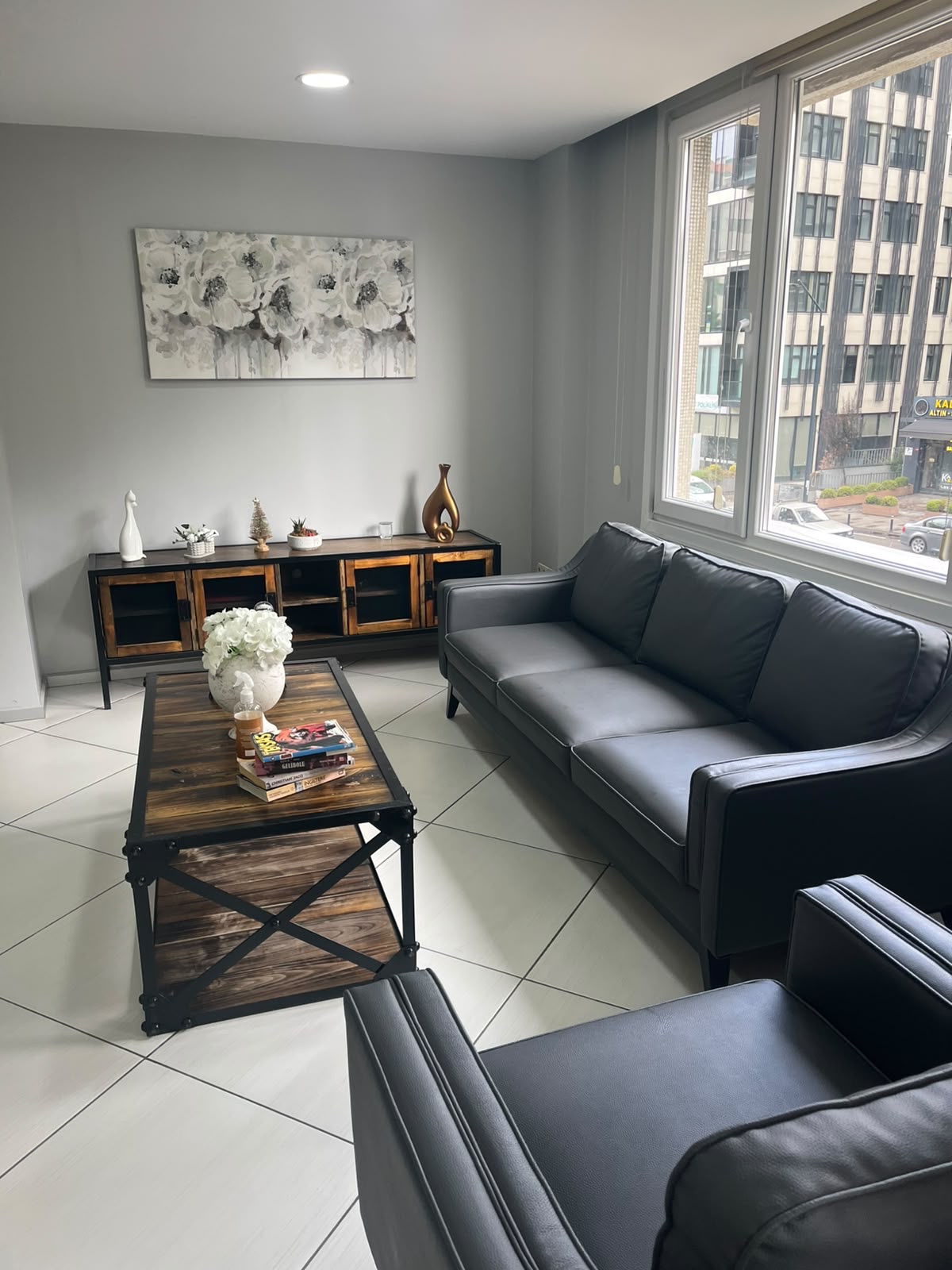
Get to know our practice before your first conversation
Our website introduces Op. Dr. Mahmut Serden Dinçler, a specialist in Plastic, Reconstructive and Aesthetic Surgery. His professional profile describes his medical education at Istanbul University, graduation in 1997 and specialist qualification in 2003. Read the profile as background, then ask how the clinical team would be involved in your own appointment.
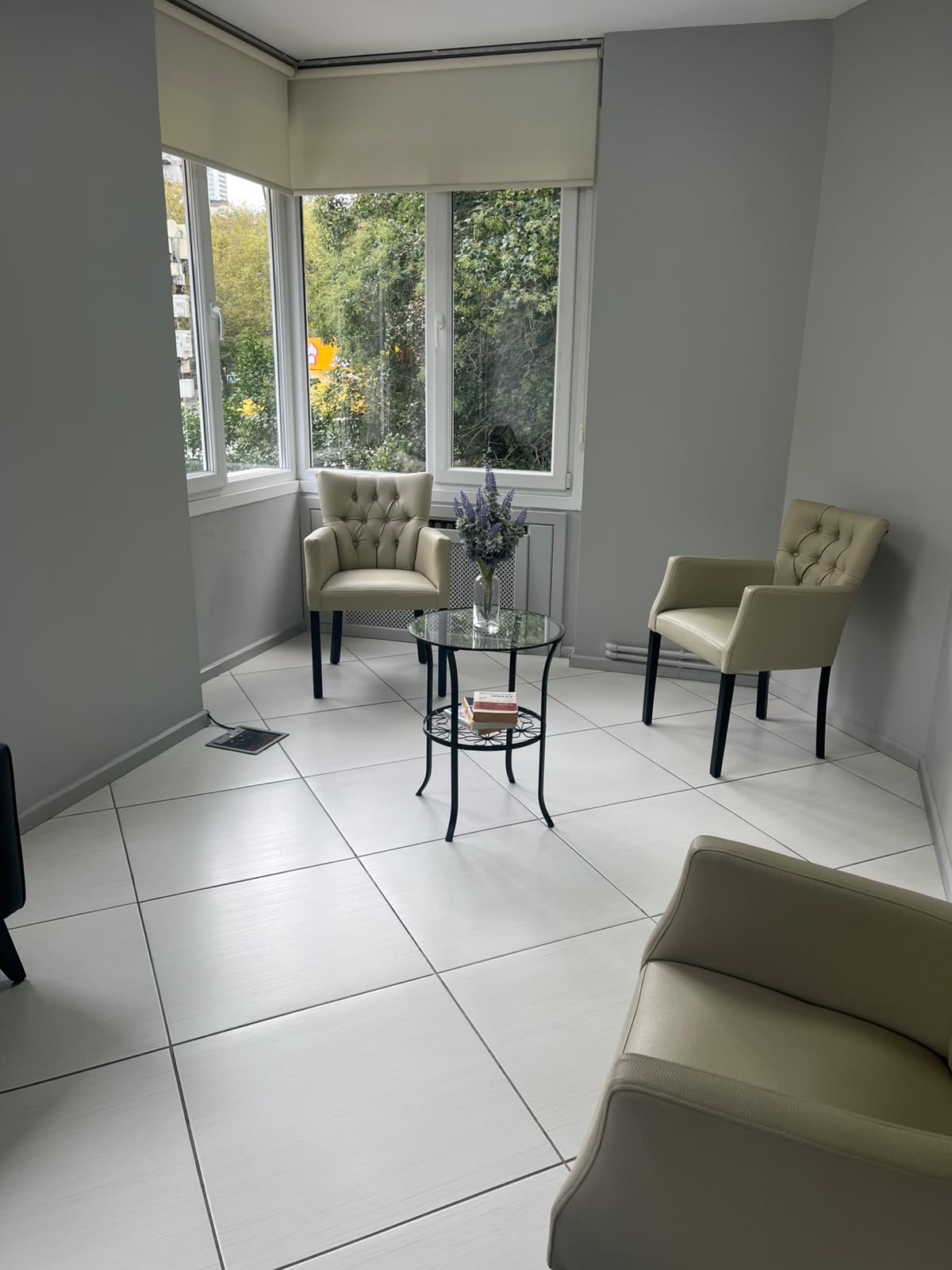
We also show photographs of the clinic and our own case archive. They are there to make the place and the work more concrete before you travel. They are not a substitute for asking questions about your treatment. A professional biography does not by itself confirm the exact operating team for a particular date.
Our patient advisors communicate in English, French and Arabic. Use that support to ask precise questions and obtain clear written answers. An advisor can help you understand arrangements; the recommendation about suitability belongs to the clinical assessment.
Searching for the “best hair transplant clinic in Turkey” produces plenty of confident claims. A more useful shortlist starts with clear answers about the people, the plan and the care behind those claims.
Before booking, decide what you need to verify. A polished website, a persuasive advisor or a familiar technique name cannot answer every question about your individual treatment. Use the same questions for each clinic so your comparison remains consistent.
Know who is responsible for your treatment
Ask who will assess your hair loss, recommend treatment and carry out each surgical stage. Request names, qualifications and an explanation of the clinical team's responsibilities. ISHRS encourages patients to ask about the training and roles of everyone involved. ISHRS: questions for your hair restoration surgeon.
A useful answer should be specific enough to check independently. If a profile describes a clinician's experience, confirm that clinician's involvement in the proposed appointment rather than assuming a name on the website answers the question.
Look for a consultation, not just a booking conversation
A consultation should allow discussion of your goals and the reasons for the recommendation. Ask what information is still needed before a decision can be made. Your advisor can help with language and arrangements, but questions about suitability, risks and the surgical plan need a qualified clinician's assessment. ISHRS: considerations before hair transplantation.
Write down what matters to you: a receding hairline, thinning at the crown, how you wear your hair, or how much recovery time you can realistically allow. This makes the conversation more useful than asking a clinic to match somebody else's photograph.
Read before-and-after photographs critically
Ask whether the photographs show that provider's own work and who performed the treatment. ISHRS advises patients to check that a portfolio genuinely reflects the treating professional's work. ISHRS: patient questions about clinic portfolios.
Then ask for context: when each photograph was taken, what area was treated and whether there were further sessions. Differences in angle, lighting, hair length or styling can make comparison difficult. Photographs are a starting point for questions, not a prediction of what your own result will look like.
From our own patient archive
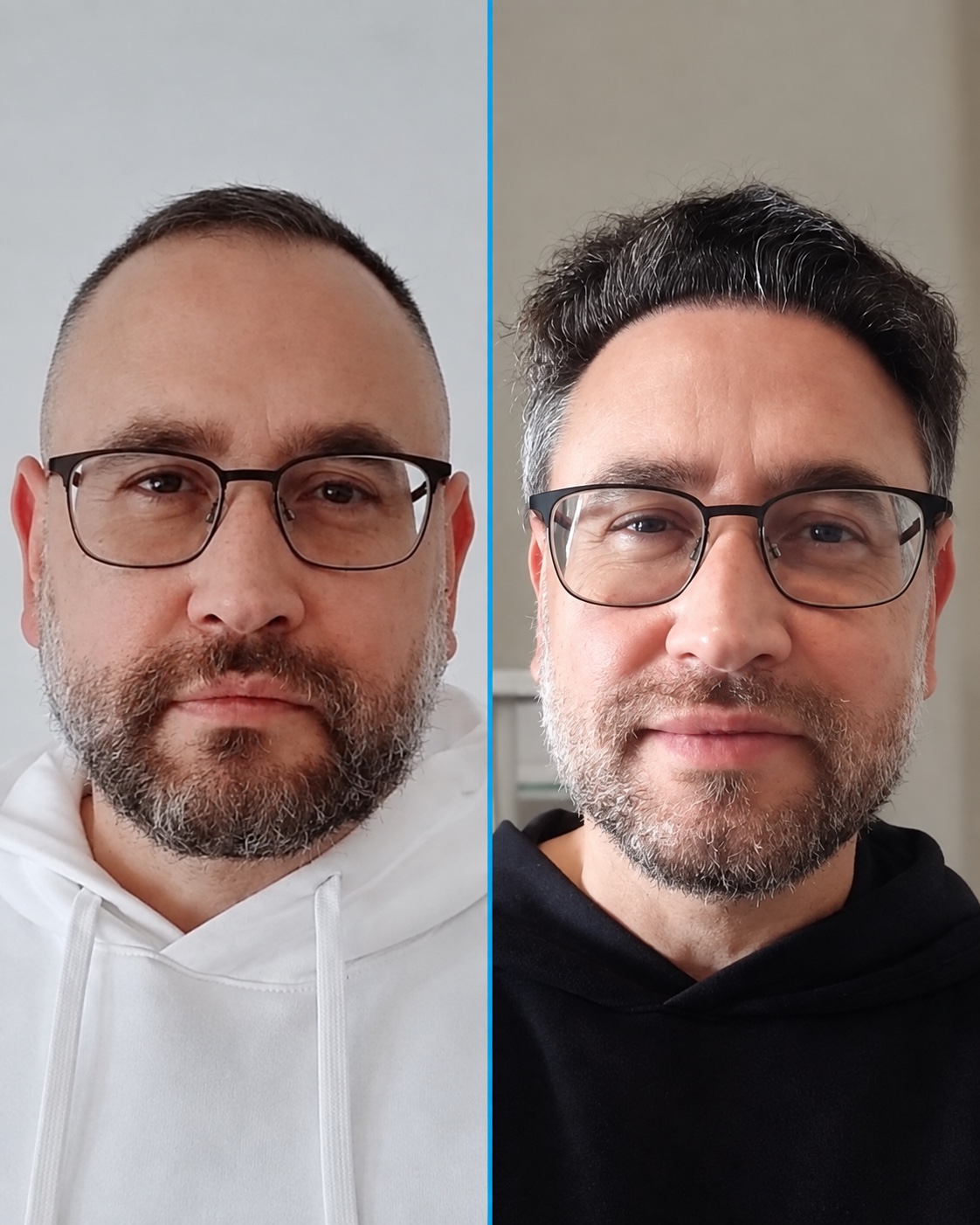
Hairline design and later appearance
Look at the recorded hairline and later appearance, and ask what the available photographs can and cannot tell you. No graft number or growth date is inferred from the image.
Ask about follow-up before you travel
Who should you contact after returning home? Which concerns require a clinical review rather than a message? What records will you receive? CDC guidance on medical tourism highlights the importance of planning follow-up and understanding the costs of care. CDC: medical tourism.
Keep the answer beside the quote. A follow-up promise is easier to evaluate when the contact method, responsibilities and possible charges are stated clearly.
A short checklist for your shortlist
- A named clinician and an explanation of the team’s roles.
- A consultation that leaves room for questions and alternatives.
- Patient photographs with useful case context.
- A written quote with inclusions and exclusions.
- A follow-up plan you understand before committing.
Be cautious with absolute promises. ISHRS warns against claims such as scar-free surgery. A provider should discuss limitations rather than present a procedure as free of trade-offs. ISHRS patient guidance.
No checklist or professional membership guarantees an individual result. Suitability and treatment require a clinical assessment.
Questions we can answer clearly
Before you take the next step.
Who is Mahmut Serden Dinçler?
The specialist introduced on our site is Op. Dr. Mahmut Serden Dinçler. His professional profile explains his Plastic, Reconstructive and Aesthetic Surgery training and career. It also links to the original biography.
Are these stock photographs?
The clinic photographs and the case photographs presented in these guides come from the practice’s own supplied archive. Open a case to inspect the available photographic record.
Can a photo tell me the result I will get?
No. It documents another individual. Use it to ask about the treated area and the context, not as a personal outcome forecast.
Can I ask who performs each stage?
Yes. Ask for the names, qualifications and responsibilities of the people involved in the proposed procedure. Resolve that question before booking, rather than relying on an assumption.
The practice behind this guide
Op. Dr. Mahmut Serden Dinçler
Plastic, Reconstructive and Aesthetic Surgery Specialist. His published professional profile describes graduation from Istanbul University Faculty of Medicine in 1997 and specialist qualification in 2003.
Our Istanbul service is appointment-based. Patient advisors communicate in English, French and Arabic. Clinical suitability, the individual plan and the responsibilities of the treating team should be clarified during assessment.
Read the professional profile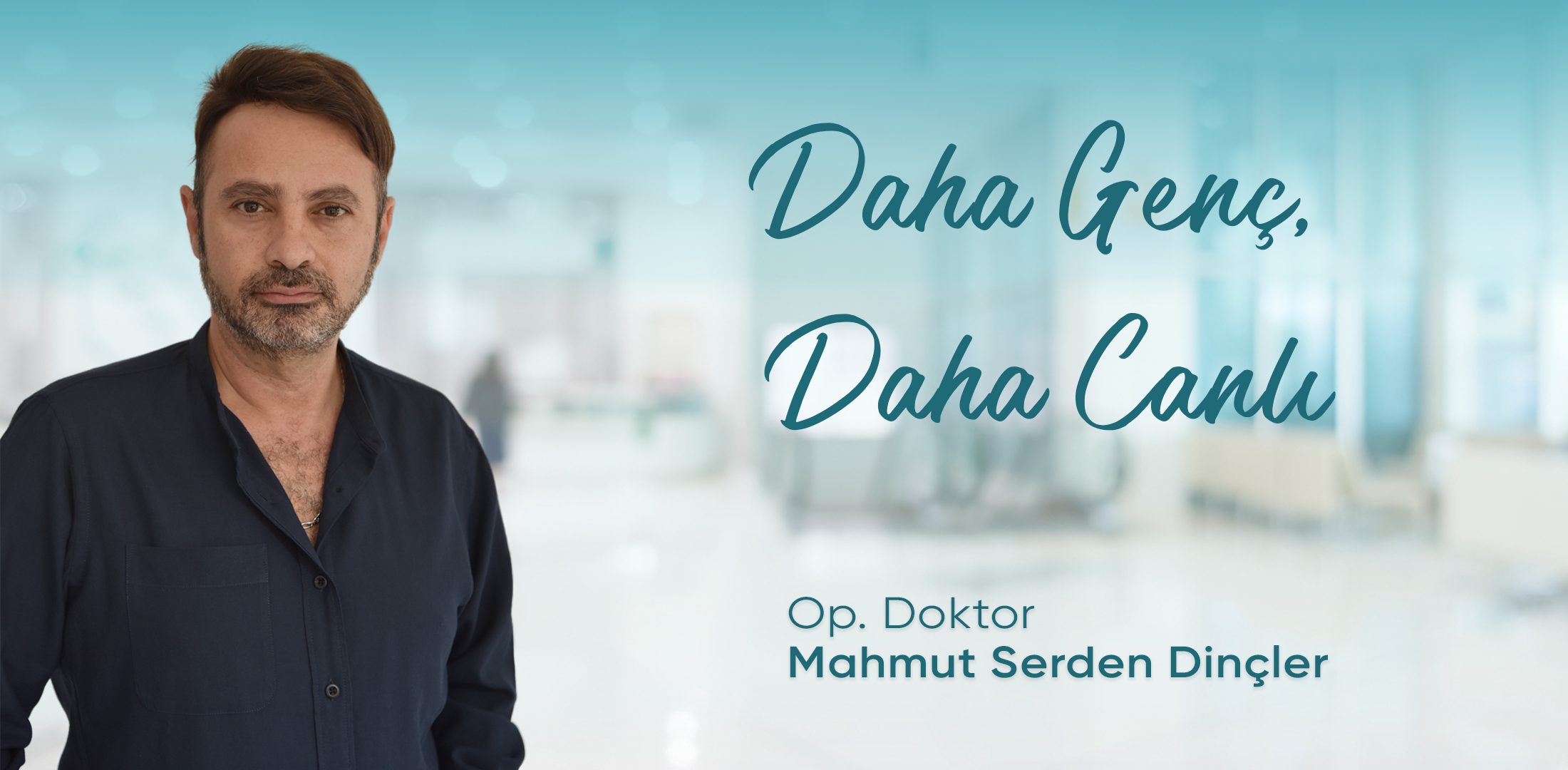
Talk it through in your language
Bring your questions to us.
Our advisors communicate in English, French and Arabic. Write on WhatsApp or request a WhatsApp voice conversation. The link opens a chat; the advisor arranges the call. A clinical assessment is needed for an individual recommendation.
Clinical references and scope
General references inform the medical explanation; they do not endorse this clinic or establish an individual plan. This guide does not claim to have been medically reviewed by the treating specialist.