
The patient handbook · The clinical journey
Hair Transplant in Turkey: From Assessment to Aftercare
A visual companion to assessment, planning, the appointment, early recovery and later growth.

How we describe the pathway at our clinic
We begin by understanding the person behind the enquiry. Our website describes a private review of hair-loss pattern, donor capacity, medical history and expectations, followed by a personal discussion. The first practical task is to establish what still needs assessment before treatment can be confirmed.
Personal planning then connects the proposed treatment area and hairline with the clinical assessment. At the in-person appointment, the plan and aftercare are discussed again. Use this opportunity to ask what each stage involves, who is responsible and which decisions remain open until the examination.
After the appointment, the focus changes from planning to care and observation. The washing instructions, planned checks and progress contacts need to be clear before you leave. Our online journey guide can help you understand the broad sequence; it does not replace the instructions issued for your own procedure.
A hair transplant is a process with several decisions and stages. Knowing what each stage is for can make your first consultation more useful.
People searching for “hair implants in Turkey” often mean a hair transplant. This guide discusses transplantation of a person's own hair, not artificial fibre implantation. Confirm the procedure being proposed rather than relying on the wording of a search or advertisement.
The first decision is suitability
A transplant moves hair from a donor area to an area affected by thinning or loss. Whether that is appropriate depends on an examination and the cause and pattern of the hair loss. The American Academy of Dermatology explains that assessment includes the availability of healthy donor hair and the potential for growth in the receiving area. AAD: hair transplant assessment.
Your first conversation should leave room for “not yet” or “not suitable”, as well as a proposed operation. Ask what the clinician needs to establish, which alternatives should be considered and what a realistic aim would be for you.

The plan should explain more than a technique name
Ask which areas are being prioritised, how the proposed hairline relates to your expectations and what limitations the clinician sees. Clarify the reasoning behind any graft estimate and whether more than one treatment stage is being considered.
Bring photographs if they help explain a preference, but discuss the features you like rather than asking for an identical result. The AAD notes that a fuller appearance may be a realistic goal where a completely full head of hair is not. AAD patient information.
What happens on the procedure day?
Hair transplantation involves taking donor grafts and placing them in the planned areas. Local anaesthesia is commonly used. The appointment can take much of a day, and the schedule depends on the proposed work. Ask the clinic to explain your own plan rather than assume a standard duration applies to everyone. NHS: what a hair transplant involves.
Before giving consent, make sure you understand the recommendation, responsibilities and risks. Ask how discomfort is managed and what happens if the procedure cannot proceed as originally discussed.
From our own patient archive
Planning and later appearance
The two photographs document an individual comparison. Without additional clinical records, they cannot establish a graft count, a method or the exact interval between photographs.
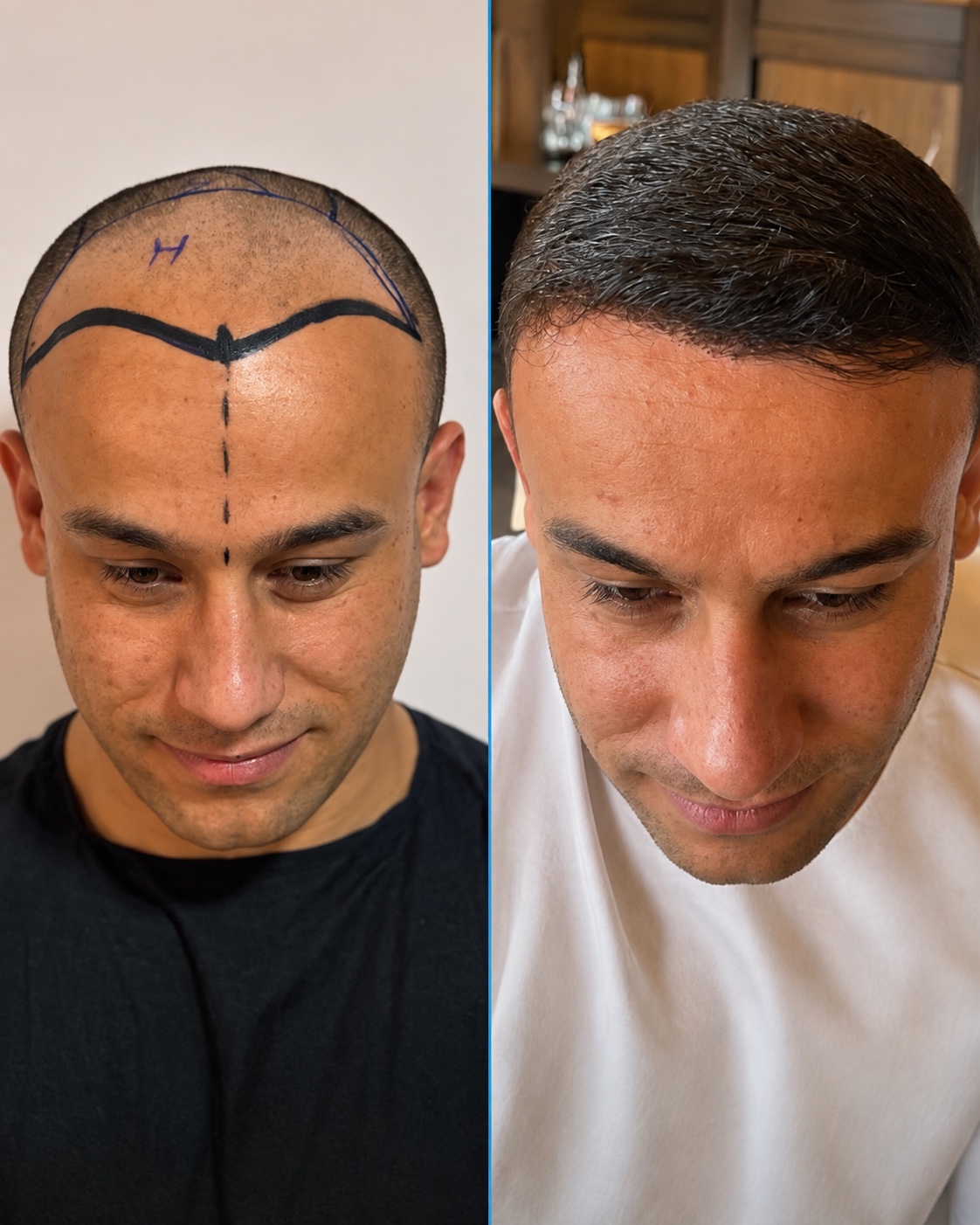
Early care and later growth are different stages
You should receive specific care instructions. Washing, touching the scalp, exercise and work need to be discussed with your treating team. Published recovery schedules differ, so a general online calendar should not replace those instructions.
Newly transplanted hair can shed before later growth becomes visible. Results develop over months rather than at the end of the procedure day. The NHS describes a general timeframe of around 10–18 months for full results; individual progress varies. NHS: recovery and results.
Know when a message is not enough
Discuss how to obtain help for a concern before leaving the clinic. Cleveland Clinic advises prompt contact for persistent fever, excessive bleeding, severe redness or pain, or signs of infection. Do not use a routine progress photograph as a substitute for timely medical assessment. Cleveland Clinic: when to seek care.
Does a transplant stop all future hair loss?
No. Existing hair can continue to thin. Discuss the longer-term approach with your clinician rather than assuming one procedure replaces all future care. AAD: ongoing hair loss.
This article provides general information, not a diagnosis or personalised care instructions. Hair transplantation carries risks including infection, bleeding, scarring and unsatisfactory growth; discuss these with your treating clinician. Clinical reference.
One record, three photographs
Follow an actual photographic sequence.
This archive contains a photograph before the procedure, a post-procedure photograph and a later appearance. These are three views from one record, not a fixed timetable for every patient. No month, graft count or technique is assigned without that information in the record.
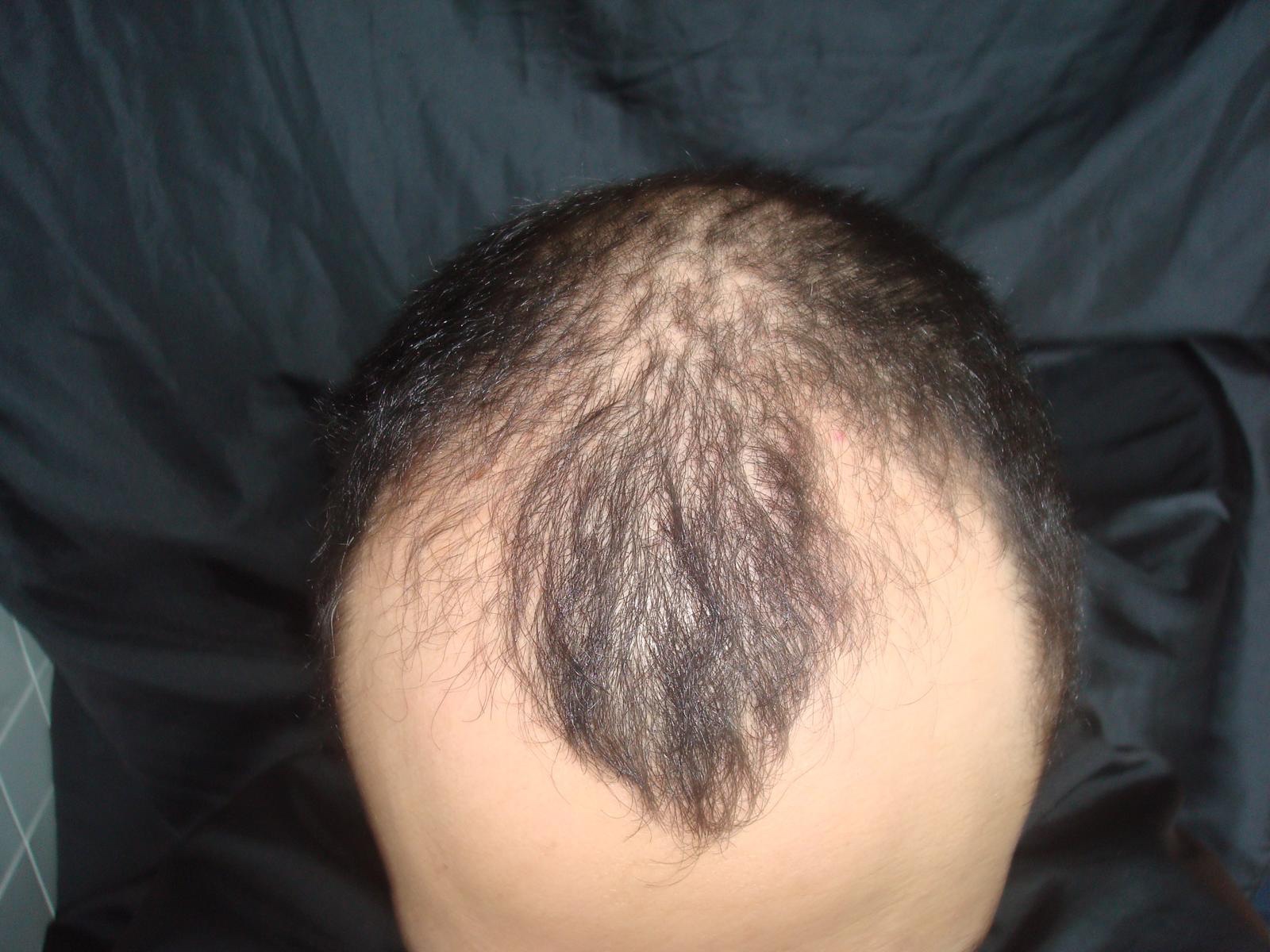
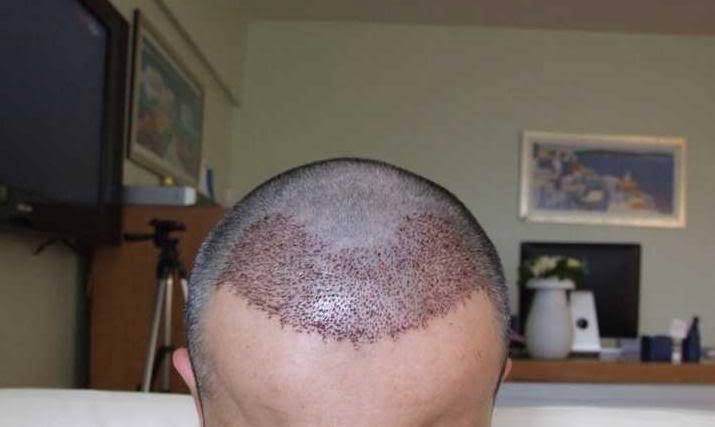
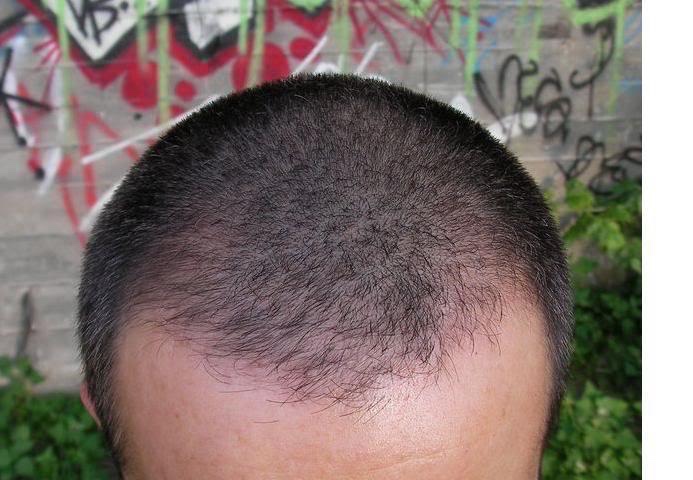
Read this case record ↗ · Explore the interactive stage guide ↗
View clinical procedure photographs (close-up medical images)
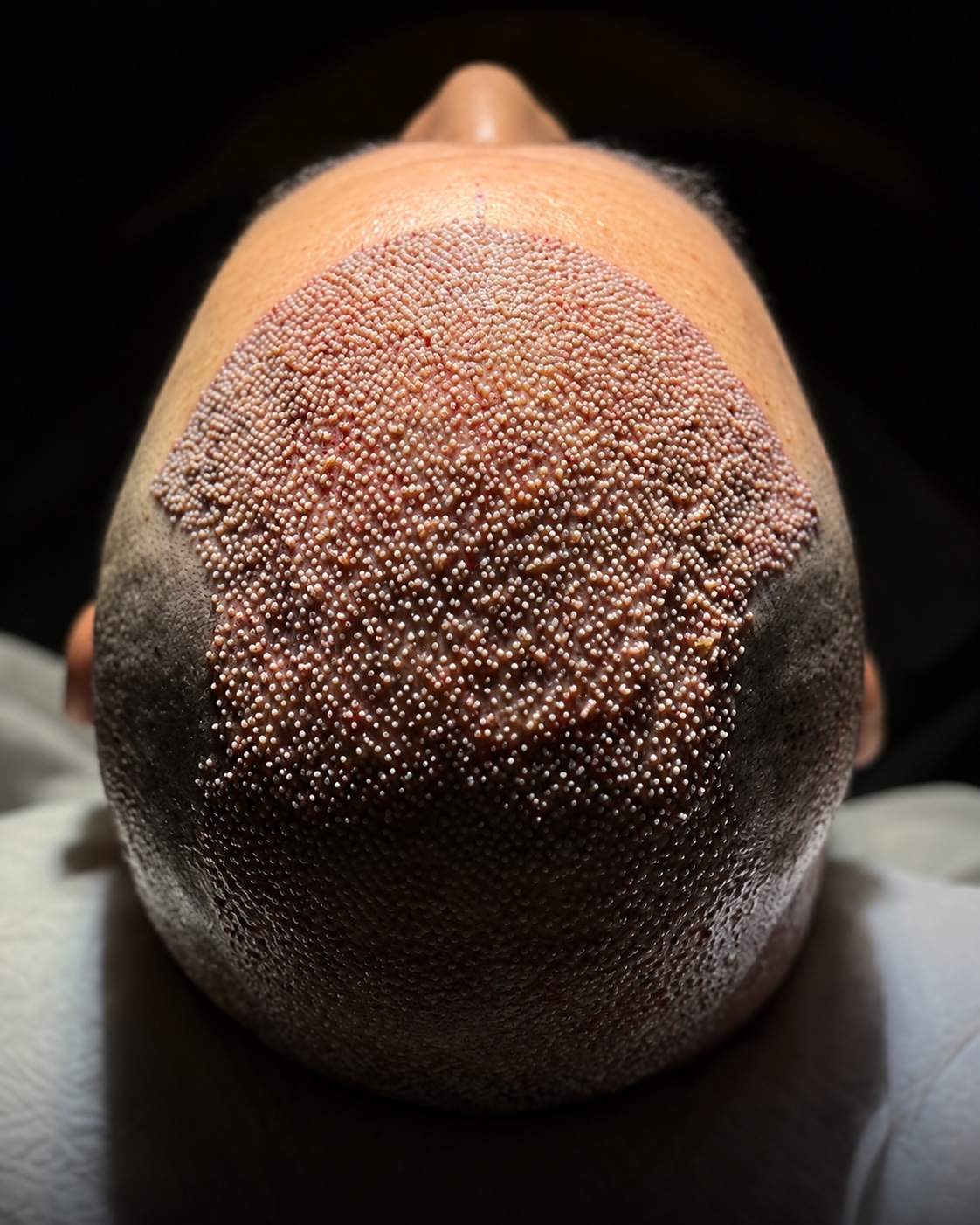
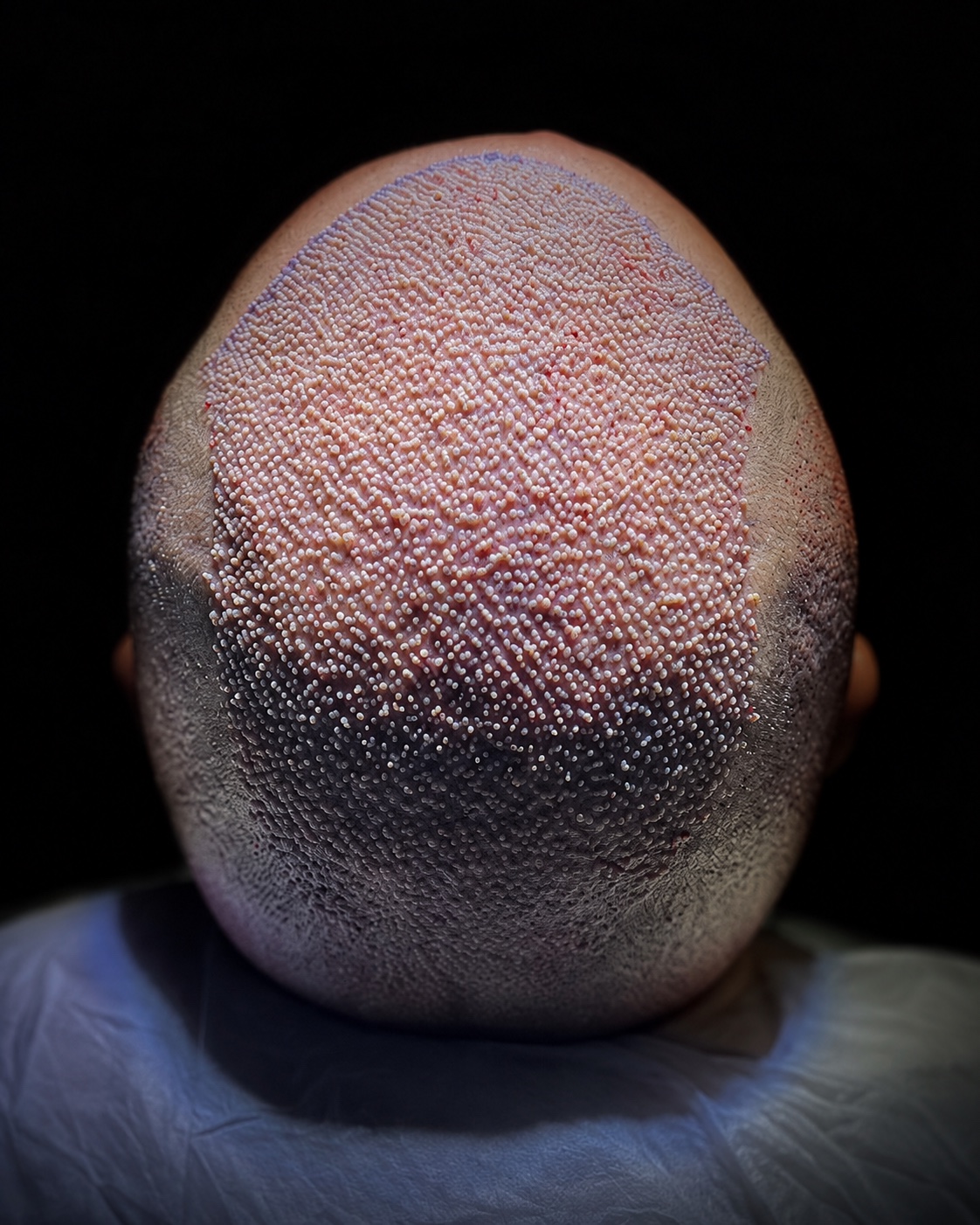
Separate procedure records from our own archive. These do not establish a graft total, survival rate or a later outcome. Open the photographic procedure record.
Questions we can answer clearly
Before you take the next step.
What is the difference between a real case and the simulation?
A case page shows the actual photographs supplied for that patient record. The interactive guide uses representative visuals to explain stages. It cannot show how your own hair will develop.
Can I learn my exact graft number from this guide?
No. A graft recommendation requires individual assessment. Ask the clinician to explain the proposed treatment area and the reasoning behind any estimate.
Will the procedure be entirely pain-free?
Do not treat any guide as a promise about comfort. Ask how local anaesthesia and discomfort are managed, and what symptoms or risks should be discussed before consent.
What should I do if I am worried during recovery?
Follow the care instructions and agreed clinical contact plan. For significant or unexpected symptoms, obtain timely medical assessment rather than wait for a routine progress update.
The practice behind this guide
Op. Dr. Mahmut Serden Dinçler
Plastic, Reconstructive and Aesthetic Surgery Specialist. His published professional profile describes graduation from Istanbul University Faculty of Medicine in 1997 and specialist qualification in 2003.
Our Istanbul service is appointment-based. Patient advisors communicate in English, French and Arabic. Clinical suitability, the individual plan and the responsibilities of the treating team should be clarified during assessment.
Read the professional profile
Talk it through in your language
Bring your questions to us.
Our advisors communicate in English, French and Arabic. Write on WhatsApp or request a WhatsApp voice conversation. The link opens a chat; the advisor arranges the call. A clinical assessment is needed for an individual recommendation.
Clinical references and scope
General references inform the medical explanation; they do not endorse this clinic or establish an individual plan. This guide does not claim to have been medically reviewed by the treating specialist.